Twitter Scheduler for Creators: How to Plan Posts Without Losing Consistency
A Twitter scheduler is useful when you want to post consistently on X without opening the app every time inspiration appears. This guide explains how creators can use a scheduler to collect ideas, write stronger posts, plan the week, review quality, and stay active without sounding automated.
What you will learn
This guide is for creators, founders, marketers, and SaaS teams that want a practical way to plan better X content without turning their account into a robotic posting machine.
The goal is to give you a repeatable workflow: collect ideas, turn them into useful posts, schedule intentionally, review quality, and use analytics to improve the next batch.
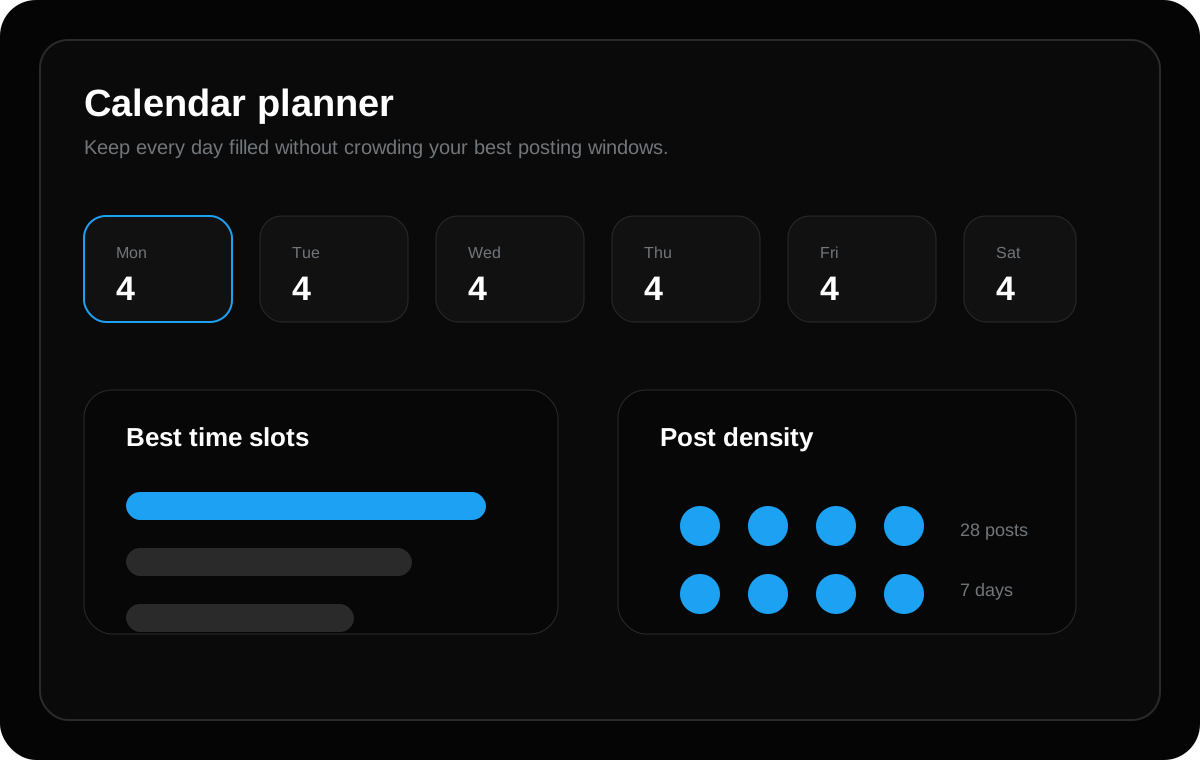
What is a Twitter scheduler?
A Twitter scheduler is a tool that lets you prepare posts in advance and publish them later. Instead of writing every post at the exact moment it goes live, you can build a queue and choose better posting windows.
For creators, the main benefit is consistency. You can plan educational posts, product updates, questions, and personal lessons before the week becomes busy.
A good scheduler should not make your account feel robotic. It should give you more time to write carefully, review your ideas, and engage with people after posts go live.
Why creators should schedule posts
Posting manually works when you are free, motivated, and online at the right time. The problem is that real life is not always that clean. Busy days, work, classes, client calls, and travel can break the posting habit.
Scheduling protects the habit. You can write in batches when your mind is fresh and let the queue handle publishing times.
This also helps you avoid rushed posts. A scheduled queue gives you space to review hooks, remove weak ideas, and balance the week before anything goes live.
A simple weekly scheduling workflow
Start by collecting raw ideas during the week. These can be lessons, questions, screenshots, product updates, mistakes, or small observations from your work.
Next, choose the strongest ideas and turn them into posts. Write one clear hook, add useful context, and keep each post focused on one point.
Finally, place the posts into your queue. Review the full week before publishing so your account feels intentional instead of random.
How TweetQueue helps
TweetQueue is built for creators who want a cleaner posting system. You can plan posts, organize your queue, use AI support for drafts, and review content before it goes live.
The goal is not to replace your voice. The goal is to make consistency easier so your ideas are not lost just because you were busy at the wrong time.
When you combine planning, scheduling, and review, posting becomes a repeatable workflow instead of a daily pressure task.
A practical workflow you can use today
Start by writing down ten rough ideas from your real work: customer questions, product decisions, lessons learned, screenshots, mistakes, launch updates, and opinions you keep repeating in conversations. These raw ideas are more valuable than generic prompts because they come from your actual experience.
Next, turn each idea into one clear post angle. A single idea can become a short lesson, a question, a checklist, a mini-story, or a product note. Choosing the angle before writing keeps the post focused and makes the final queue easier to review.
Finally, schedule the strongest posts into a weekly queue. Do not fill every slot just because you can. A smaller queue of strong posts usually performs better than a crowded queue of weak content.
Common mistakes to avoid
The biggest mistake is creating posts only because a keyword looks attractive. Search visibility matters, but readers stay when the page or post actually helps them solve a problem. Useful content should answer the search intent completely and give examples the reader can apply.
Another mistake is using the same hook style every day. Repeated patterns make an account feel automated. Mix direct lessons, questions, short stories, mistakes, proof points, and practical checklists so the feed feels human.
Do not publish AI output without review. AI is helpful for brainstorming and rewriting, but your final post should still sound like your account and match what you actually believe.
How TweetQueue fits into this system
TweetQueue helps you move from random posting to an organized publishing workflow. Instead of guessing what to post every day, you can prepare ideas, review your weekly queue, and schedule content around the windows that matter most to your audience.
The best use of TweetQueue is not blind automation. It is controlled consistency. You stay responsible for the message, while the system helps you publish on time and keep your content calendar clean.
Quick checklist
- Collect raw post ideas throughout the week
- Turn strong ideas into clear X posts
- Schedule posts into realistic time windows
- Review the queue before publishing
- Keep space for live replies and timely opinions
- Use TweetQueue to protect consistency without losing your voice
Frequently asked questions
Should I schedule every post on X?
No. Schedule planned educational posts, product updates, launch reminders, and recurring content. Keep space for live replies, timely opinions, and real conversations so your account still feels active and human.
Does longer content always rank better on Google?
No. Length alone is not the goal. A longer article helps only when it gives a more complete, useful, and satisfying answer. The content should cover the topic deeply without adding filler.
Can AI write my X posts for me?
AI can draft hooks, variations, and content calendars, but you should still review the final post for accuracy, tone, and originality before scheduling it.
Plan these ideas inside TweetQueue
Turn the checklist into scheduled posts, review the week, and keep your X content consistent without rushing every day.
Start Scheduling Free